Submit your questions to Dr. Parker on Star 929.com!
How to Protect Skin and Correct Early Sun Damage
In The Know with Dr. Parker | May 2026
What is the best SPF to use based on clinical evidence?
Is sunscreen alone enough to prevent sun damage? The short answer is no. Here’s why…
Sunscreen is one of the most important tools we have in preventing sun damage to our skin, but it works best as part of a more complete sun protection routine. No sunscreen can block 100% of UVA, UVB, UVC, and visible light; this is why you can still get tan or burn even when you have applied sunscreen.
At Radiance Medical Aesthetics and Wellness Spa in Williston, VT, we educate patients on how to protect their skin, support long-term skin health, and address early signs of sun damage with thoughtful, physician-led care.
What is the best SPF to use based on clinical evidence? The short answer is a tinted physical-only sunscreen. Here’s why…
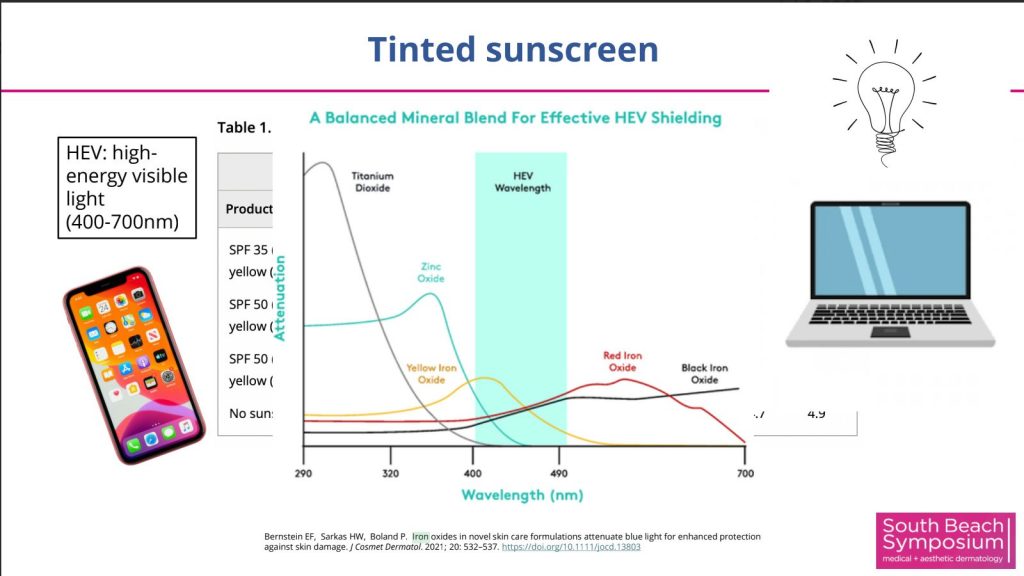
According to clinical evidence, a tinted physical-only sunscreen, specifically those utilizing zinc oxide and titanium dioxide, offers the highest level of protection against skin damage. This formula is superior because the physical blockers reflect UV rays, while the iron oxides found in the tint provide an essential shield against HEV, high-energy visible light, such as the blue light emitted from our digital devices.
It’s empowering to know that we have some control over our skin’s longevity 10, 20, 30+ years down the line, with consistent use of sunscreen. Little habits and choices day to day can reduce cumulative damage over time and support healthier skin for the long run.
Why does sunscreen matter if it’s not the whole picture?
Daily sunscreen is foundational. Backed by years of research, broad-spectrum sunscreen helps protect against UVA, UVB, and UVC rays, and expert guidance recommends applying consistently and reapplying every 2 hours when you spend time outdoors. Dermatology and FDA guidance also make clear that sunscreen should be used alongside other sun protection measures, not as a stand-alone strategy.
Why? Because real-life sun exposure and sun protection are not perfect.
We often apply too little SPF or miss areas like the ears, scalp, and tops of the feet. How many times have you sprayed clear sunscreen only to realize you have striped tan lines? 🙋♀️
Or we don’t realize how much time has passed, we sweat, we’re in and out of water, or we’re spending long periods of time outdoors and inevitably forget to reapply. Sunscreen is not made to be a “one and done” application, with most only being water resistant for up to 80 minutes.
Dermatologists and medical aesthetic providers don’t advise without reason; it’s because they have observed the effects that sun damage can have on people. Trust us when we say it’s a lot easier to apply sunscreen than it is to deal with many pre-cancerous spots, disfigurement, scars from skin removals, or even worse, melanoma.
This is why the most effective approach is a layered one.
What does a strong daily sun protection routine look like?
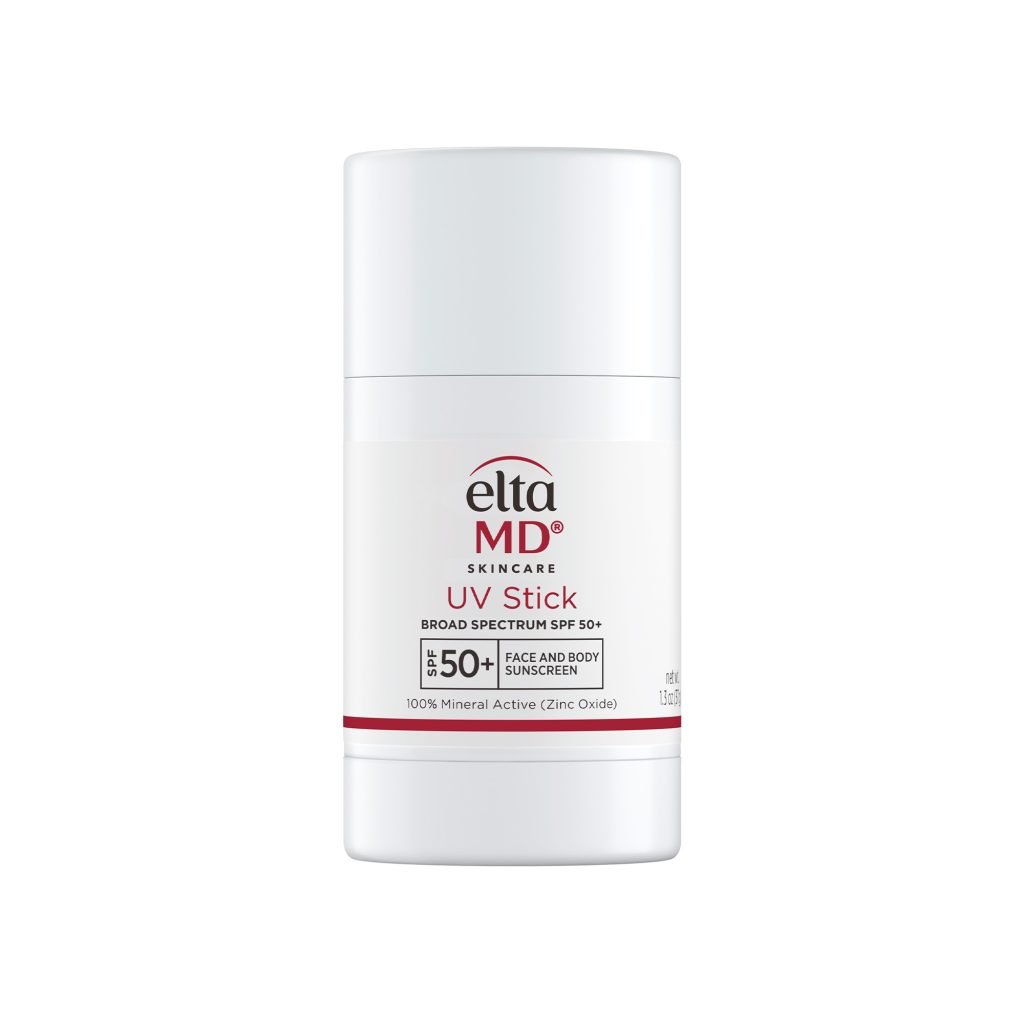
- Broad-spectrum physical-only sunscreen, ideally SPF 30+ or higher
- Dr. Parker always advises physical-only sunscreens with zinc oxide or titanium dioxide as the active ingredients.
- Reapplying when outdoors, especially after sweating or swimming
- Tip! Elta MD UV Stick is one of our most compact, budget-friendly, and easy-to-apply sunscreens. Versatile and not greasy.
- Wearing sunglasses with UV protection
- Yes, even your eyeballs can get sun damage or burned! Use UV protective eyewear when driving or outdoors.
- Block visible light with blue light glasses when using electronic devices for your eye health, too.
- Choosing a hat with good coverage
- Check your hats to see if they cover the tip of your nose, the sides of your face, and the top of your head. These exposed areas are commonly not covered by all hats.
- Use sun-protective clothing when you know you will be outside for longer periods of time
- Gardening, golfing, and biking included! UV protective gloves and shirts are great for added protection as sunscreen breaks down.
- Seek shade when possible, especially during stronger midday sun hours 🏖️
- The hours between 12 pm and 2 pm can be the highest amount of UV exposure. Check the UV Index on your weather app and take a break in the shade or indoors during this time of day.
- Be cautious when applying lip gloss, lip balms, or lip oils when in the sun
- This can increase the risk of burning your lips or having a reaction.
- Sunscreen or lip products with SPF can be applied to your lips to prevent burning.
What early sun damage can look like
Sun damage does not always show up as one dramatic change. It often starts subtly, below the surface, and before we can visibly see it on our skin.
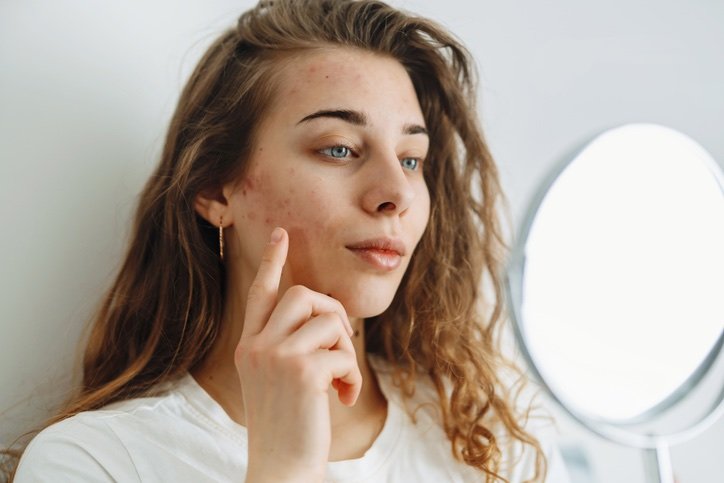
Many of our patients don’t come to see us because of sun damage; they often come to see us because they notice one or multiple of the following in the list below, not knowing that these are all common skin conditions that can be caused by UV light damage.
You may notice:
- Uneven pigment or dark spots
- Dullness or loss of brightness
- Rougher skin texture
- Fine lines becoming more noticeable
- Redness or visible blood vessels
- A “weathered” appearance to the skin
- Skin that doesn’t heal well over time
*Note: We always recommend and refer you to see your dermatologist for regular skin check-ups and for any skin concerns.
Can early sun damage be corrected?
Often, yes, at least to a meaningful degree. First and foremost, the most important step is to start right now.
Whether you’ve ever used sunscreen or not, starting now, regardless of your age, gender, or skin type, it is crucial to begin prevention of ongoing damage.
A well-rounded approach to correct early sun damage
- See your dermatologist regularly
- Daily sunscreen
- Daily customized skincare regimen
- Light therapy for photobiomodulation
- A strategic skin treatment roadmap from Radiance Medical Aesthetics, designed to preserve skin health and manage the cumulative effects of sun exposure as we age
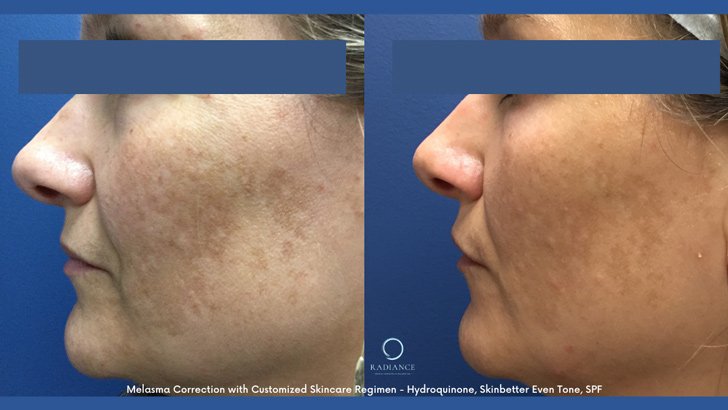
We recommend dermatology guidance first for evaluation of any suspicious or precancerous spots, such as actinic keratosis, rather than self-treating them. From there, that’s where we come in to address an overall approach to correct benign pigmented or vascular spots, textural changes, and uneven skin tone with a personalized skin care plan.
For patients looking for sun damage treatment in Williston, VT, Radiance Medical Aesthetics and Wellness Spa provides physician-led guidance, customized skincare support, and aesthetic treatment planning designed around your skin, lifestyle, and long-term goals.
Our physician-led perspective on thoughtful prevention and correction
At Radiance, we believe sun protection should feel practical, not burdening or overwhelming.
Intentional approaches, such as a one-on-one personalized consultation or stopping by our clinic for your sunscreens for the summer, will save you time and energy rather than scrolling through massive amounts of misleading information on social media.
How will I know which sunscreen is best for me?
At Radiance, we carry a curated selection of sunscreens to suit every lifestyle. We understand that sun protection isn’t one-size-fits-all, which is why we offer specialized options for various needs.
Whether you are looking for oil-free formulas for acne-prone skin, mess-free SPF sticks for cyclists, or TSA-friendly sizes for travel, we have you covered. Our collection also includes easy-to-apply sprays and lotions, as well as gentle, tear-free options perfect for the whole family.
Our expert team at Radiance can help you find the right sunscreen and further skin plan for you. That’s what thoughtful and intentional skin care is all about.
Our advice, it’s a good time to check in with your skin and your sun protection
It’s important to remember that everyone, regardless of skin type or tone, is susceptible to UV radiation damage. Whether you burn easily or tend to tan, we are all universally at risk of cumulative cellular damage from UV light from sun exposure and visible light from our devices!
If you are noticing pigment changes, roughness, dullness, or just feel unsure about what your skin needs going into the summer season, this is a good time to take a closer look at the next steps to prevent, protect against, and correct the effects of long-term UV damage.
At Radiance Medical Aesthetics and Wellness Spa in Williston, VT, our team can help you explore personalized skincare, sunscreen selection, and aesthetic treatments that support healthier-looking skin over time.
Book a Skin Care Consultation
Written by Kendall Beiswanger