Submit your questions to Dr. Parker on Star 929.com!
Why Is My Pigmentation Worse After Summer, Even with Sunscreen?
In The Know with Dr. Parker | August 2026
It’s a valid concern: many of us strictly follow every sun-safety rule…applying sunscreen, wearing UV-protective clothing and hats, and maintaining a solid skincare routine. Yet, despite our best efforts, our skin doesn’t always reward that hard work. Instead, we’re left facing unexpected brown spots, freckles, and an uneven skin tone once summer ends. It can be incredibly discouraging! Luckily, with professional guidance, we can not only treat hyperpigmentation cosmetically, but we can actually improve overall skin health!
What is Hyperpigmentation?
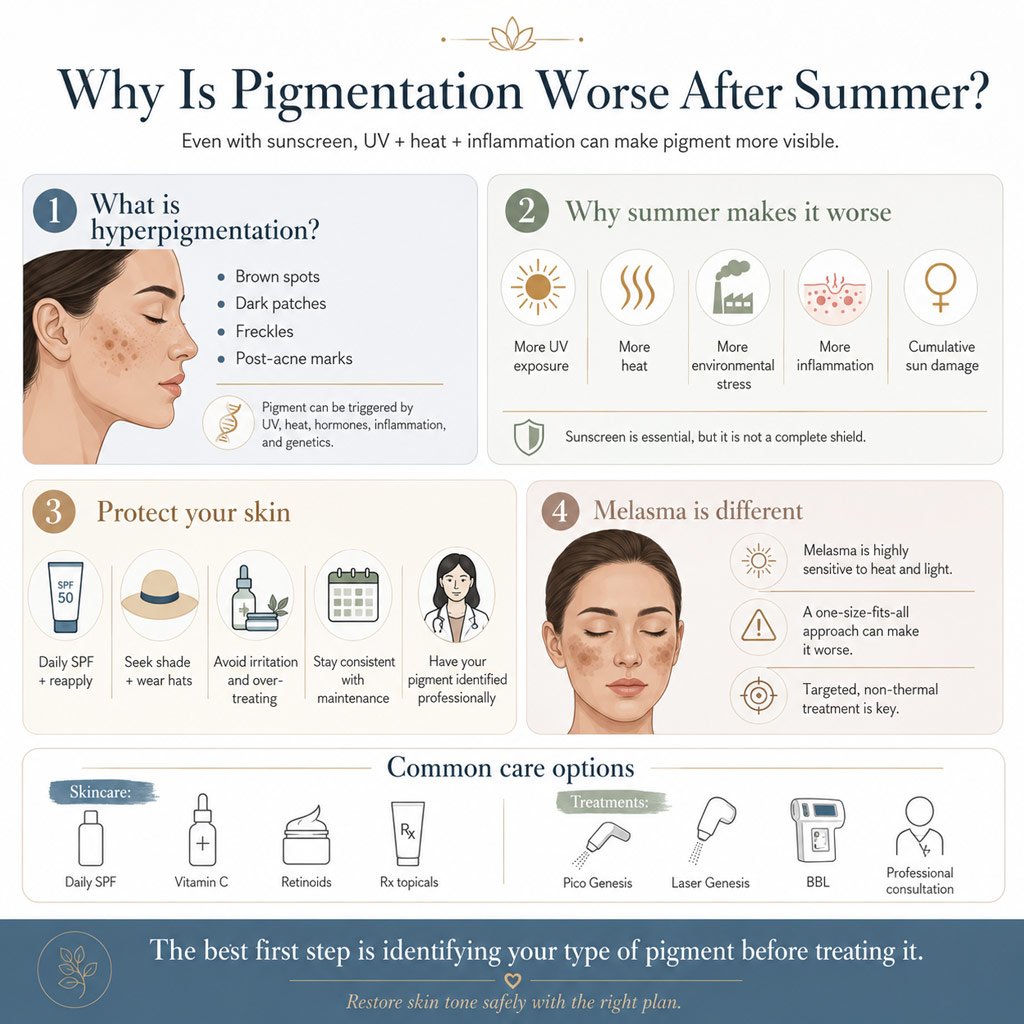
Pigmentation is a broad umbrella term referring to the natural color of our tissues, dictated by genetics and other factors. Visible differences in the color of tissue occur when the biological processes regulating melanin production are disrupted. This shows up in various forms, such as reds, browns, white, grays, purples, etc.
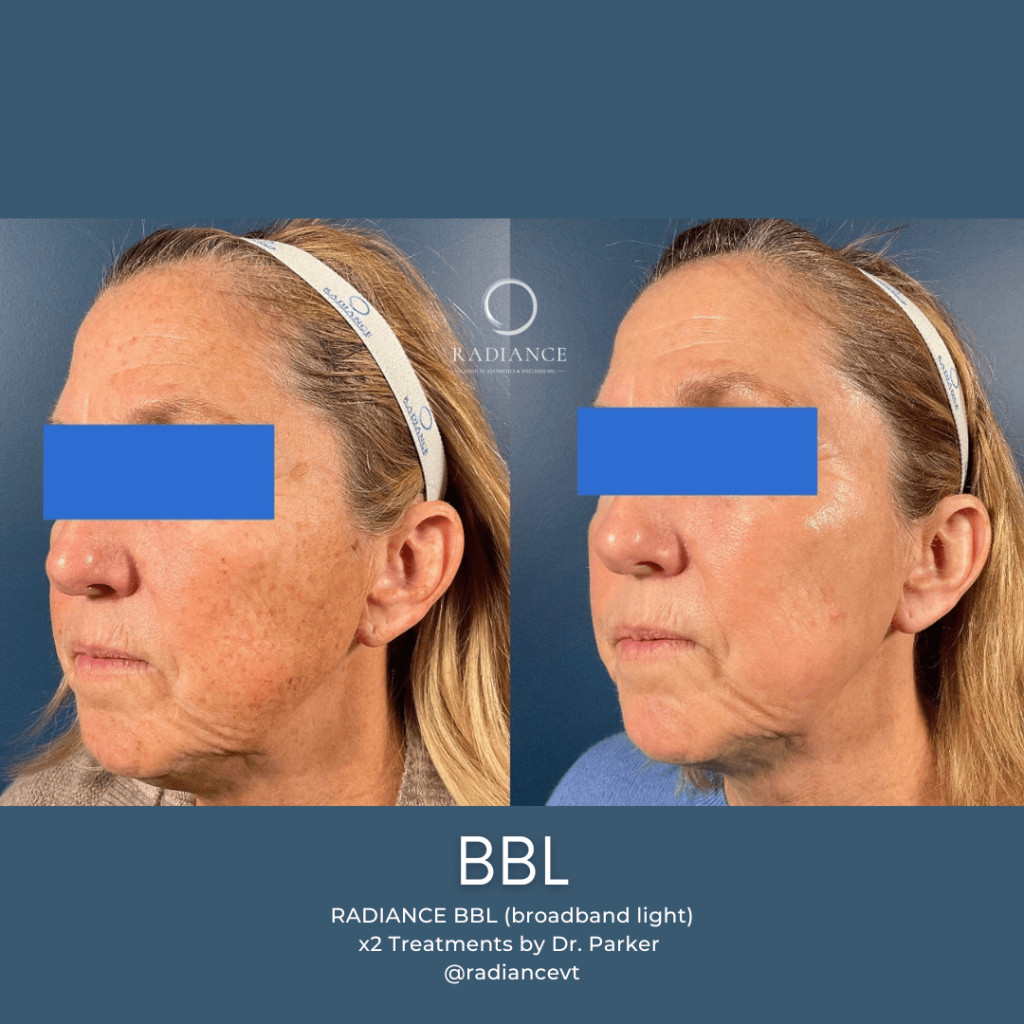
Excess melanin or hyperpigmentation looks like:
- Brown spots
- Dark patches
- Freckles
- Pigment caused by injury or inflammation
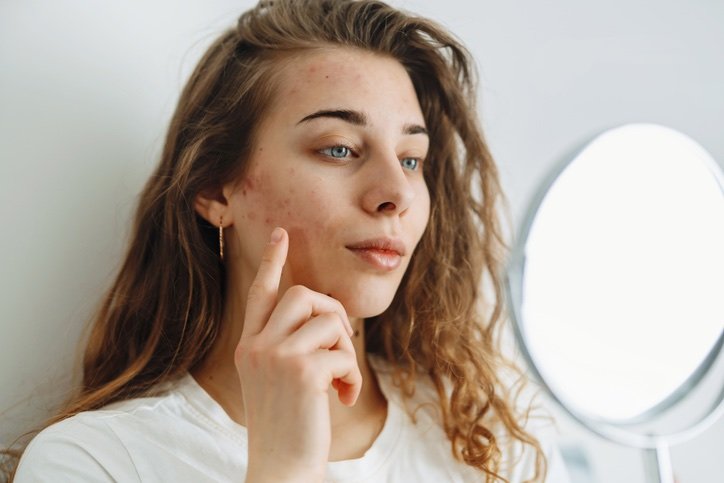
Hyperpigmentation refers to spots or patches of skin that are darker than the surrounding skin. Some examples include sunspots, post-acne marks, melasma, and brown spots. Hyperpigmentation can be triggered by inflammation, hormonal shifts, heat, and UV exposure.
Why Treat Hyperpigmentation?
While managing hyperpigmentation is often a cosmetic goal, our priority at Radiance Medical Aesthetics and Wellness Spa in Williston, VT is your long-term skin health. Over time, cumulative sun damage can degrade skin DNA, potentially transforming harmless spots into pre-cancerous growths. We bridge this gap by combining aesthetic treatments with medical-grade care, promoting healthy cell turnover and clearing pigmentation to prevent the progression of unhealthy cells.
Why Does Summer Make Hyperpigmentation Worse?
Summer is the prime time for hyperpigmentation to be exacerbated! The UV radiation increases during the summertime; we are outside more often, and even the UV exposure we get while driving has significantly increased since winter and spring.
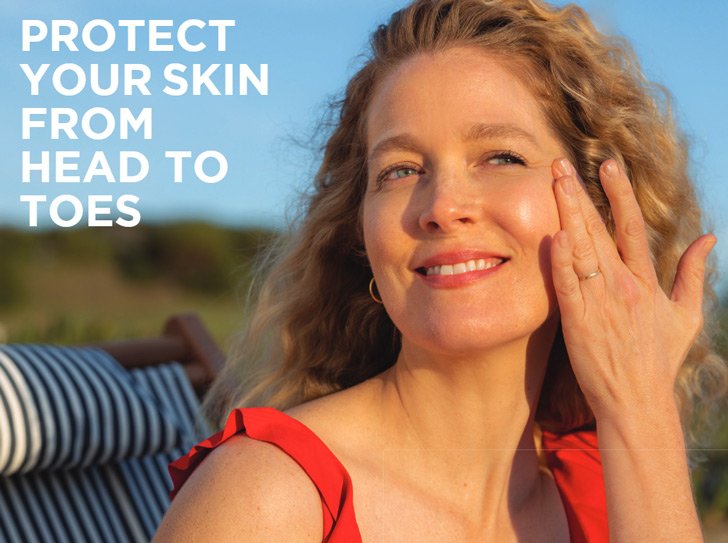
All of these factors stimulate our cells to produce more melanin, and therefore more visible color and hyperpigmentation rises to the surface. While sunscreen is completely a non-negotiable in our books (especially during the summer!), it isn’t an absolute shield against the UV light we receive, nor can it stop our cells from inherently aging over time. We always recommend a physical-only sunscreen for everyone, regardless of age or how often you are in the sun.
To really keep hyperpigmentation under control during and after summer, we have to manage it with other treatment measures for the best results, and of course in combination with the daily use of sunscreen.
The Core Triggers of Hyperpigmentation
While the common triggers are multi-factorial, pigment changes are stimulated by several factors during the summer:
- UV radiation
- Heat
- Environmental stressors
- Inflammation
- Certain oral or topical medications
- Hormone changes
- Genetics
Our Recommendations for Hyperpigmentation
Skincare Regimen
- Daily SPF
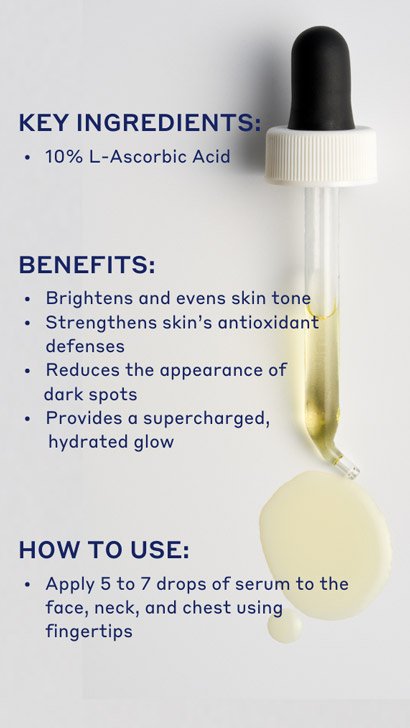
- Vitamin C
- Retinoids
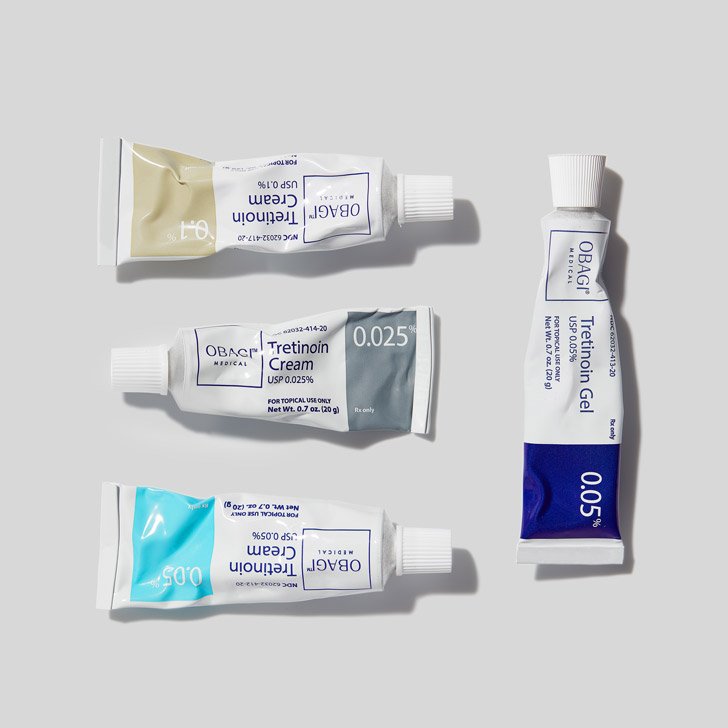
- Prescription-grade topical creams: Hydroquinone, Azelaic acid, Niacinamide
Skincare Products
Brown spots / Red spots
- Even Tone Intensive Serum
- Obagi Pro-C Vitamin C Serum
- Skinbetter Sunscreen
Brown spots / Melasma
- Obagi NuDerm Clear (available at Radiance with a prescription)
- Pico Genesis
- Pico Glow Peel
Red spots / Rosacea
- Ivermectin (available at Radiance with a prescription)
- Laser Genesis
- Laser Glow Peel
Red spots and Brown spots
- All the above
- BBL® Broadband Light
This is a very general guide! We could list many combinations of therapies; just remember a consultation is the best place to start to really know what is best for your skin type and goals.
What is Melasma?
Not all dark spots are created equal, and treating them with a one-size-fits-all approach can backfire, sometimes making the discoloration worse. Melasma is a form of hyperpigmentation that presents as brown or greyish-brown patches or spots. While it can be managed, it never fully goes away. Melasma, even when managed, can be activated and come back when inflamed by the sun, heat, pregnancy, hormones, genetics, or stressors. There isn’t a quick fix, but the first step is a partnership with an experienced provider who can identify that it is Melasma, and take the necessary steps for best results.
Why Summer Makes Melasma Worse
Melasma is incredibly sensitive to heat and light, meaning a laser designed for standard sun spots could actually exacerbate it and make melasma worse. If you struggle with melasma, targeted, non-thermal management is key, and lifestyle changes can be highly beneficial in managing melasma.
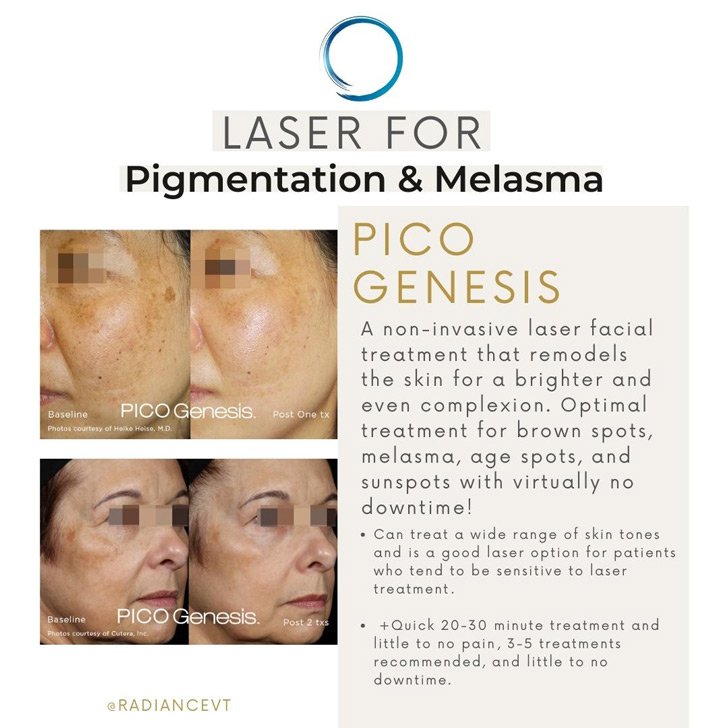
Pico Genesis Treatment for Melasma
We highly recommend Pico Genesis, a non-thermal laser treatment that is exceptionally safe for melasma, uneven tone, brown spots, and a wide variety of skin types. Along with daily sunscreen, avoiding excessive heat, and medical-grade skin regimens, we can significantly and safely reduce and diffuse the appearance of melasma.
If you have hyperpigmentation after summer, now is the time to restore
Hyperpigmentation is something that should be treated thoroughly, with patience, and appropriate guidance. Our goal is for you to enjoy your summer, feel confident, and reduce the effects of sun damage and hyperpigmentation! If you're ready to talk through your options, schedule a consultation with Radiance Medical Aesthetics and Wellness Spa in Williston, VT.