Home » Menopause & Skin
Menopause changes skin in ways that most women aren’t fully prepared for, even when they’ve read about what to expect. The shift in hormone levels, particularly the decline in estrogen, affects skin structure, moisture retention, collagen production, and even the pattern of breakouts. For many women in Williston, VT and across Chittenden County, these changes happen faster than expected and are more significant than they anticipated.
Estrogen plays a key role in skin health. It stimulates collagen production, supports moisture retention, and contributes to the thickness and elasticity that keeps skin looking youthful. As estrogen levels decline, collagen production drops, the skin gets thinner and drier, healing slows, and the face can begin to look older more quickly than it did in prior years. This is separate from and in addition to the normal aging process, which is why menopause can feel like a sudden acceleration of changes that were happening gradually before.
Dr. Parker at Radiance Medical Aesthetics and Wellness Spa in Williston, VT works with patients navigating menopausal skin changes regularly. She understands both the hormonal biology and the aesthetic impact, which puts her in a unique position to build treatment plans that address the specific concerns menopause creates rather than just treating generic aging concerns.
The collagen loss that accelerates during and after menopause responds well to treatments that stimulate the skin’s own collagen production. Microneedling, Sculptra, and laser treatments including BBL Broadband Light and Laser Genesis all build collagen over time. These aren’t overnight fixes, but consistent treatment produces real, cumulative improvement in skin firmness and texture.
Volume loss, which accelerates post-menopause as fat pads in the face shift and deflate, responds to dermal fillers including hyaluronic acid fillers for immediate results and Sculptra for longer-term structural support. Dr. Parker uses these tools to restore a more youthful facial contour without creating an overdone or unnatural appearance.
Dryness is one of the most immediate and persistent complaints of menopausal skin. The combination of reduced sebum production and diminished water-binding capacity leaves skin consistently tight, rough, and reactive. Adjusting skincare routines to focus on barrier support, rich moisturizers, and appropriate hydrating ingredients makes a significant difference. Dr. Parker and Esthetician Andria guide patients through these routine adjustments as part of a comprehensive approach.
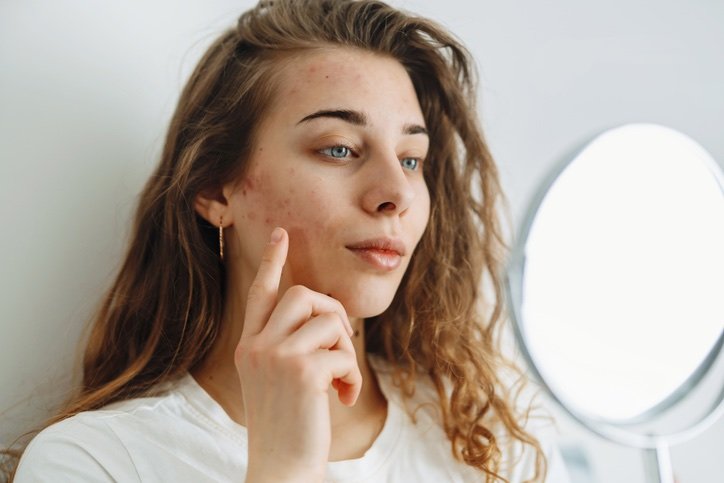
Adult acne can also return or worsen during perimenopause as hormonal fluctuations shift oil production patterns. This is particularly frustrating for women who had clear skin for most of their adult lives and find themselves managing breakouts alongside the other skin changes that menopause brings. Treatment approaches for hormonal acne during this life stage require a different strategy than treating teen acne, and the articles here address that distinction.
The diVa vaginal rejuvenation treatment available at Radiance addresses another dimension of menopausal health that affects quality of life: vaginal dryness and discomfort caused by declining estrogen levels. It’s a non-surgical, physician-administered treatment that helps women manage this aspect of menopause with the same care and discretion that Radiance applies to all of its services.
The articles tagged Menopause & Skin on the Radiance blog address all of these concerns honestly and practically. The goal is to give you the information you need to understand what’s happening with your skin, why it’s happening, and what tools are available to help you manage it effectively.
Radiance serves patients from Burlington, South Burlington, Essex, Shelburne, Williston, and across Vermont who are navigating menopausal skin changes. If this is something you’re dealing with and you want real answers and practical support, the articles here and a consultation with Dr. Parker are the right starting points.